October 2, 2026
A home's roof plays a central role in protecting the structure from weather, moisture, temperature changes, and everyday environmental exposure. When a roof is aging, damaged, or no longer suited to the property, professional roofing installation can provide an opportunity to improve both protection and appearance. A properly planned roofing project involves more than placing new materials over an existing structure because the condition of the roof deck, ventilation, flashing, drainage, and other components can affect the finished system. Understanding the installation process can help homeowners make informed decisions about a major home improvement project.
Assess Existing Roof Conditions
A professional roofing project begins with an evaluation of the existing roof and the components beneath and around it. A roofing contractor examines visible areas for signs of deterioration, moisture intrusion, damaged materials, and conditions that may affect the new roof. The assessment can also reveal whether sections of the roof deck require attention before new materials are installed. Identifying these conditions early helps establish an appropriate scope for the project.
Roof age and previous repairs can provide additional context during the evaluation. During roofing installation, professionals can account for areas that have experienced repeated leaks or weather exposure and may require closer examination. The roof's slope, layout, penetrations, and surrounding features can also influence material selection and installation methods. A complete assessment creates a foundation for planning the work around the property's specific characteristics.
Select Appropriate Roofing Materials
Material selection is an important part of any roofing project because different products offer different appearances, performance characteristics, and maintenance considerations. Asphalt shingles, metal roofing, synthetic products, slate, and other materials can be considered based on the property's design and structural requirements. A professional can explain how the available options differ and identify considerations that may influence the final selection. The goal is to choose a roofing system that aligns with the home's needs rather than focusing on appearance alone.
Climate and local weather patterns can also influence material decisions. During roofing installation, the selected materials need to be appropriate for the environmental conditions the property regularly experiences. A roof may need to withstand recurring rain, wind, snow, heat, or other environmental conditions depending on its location. Discussing these factors with a roofing professional helps connect material selection with long-term property needs.
Prepare the Roof Surface
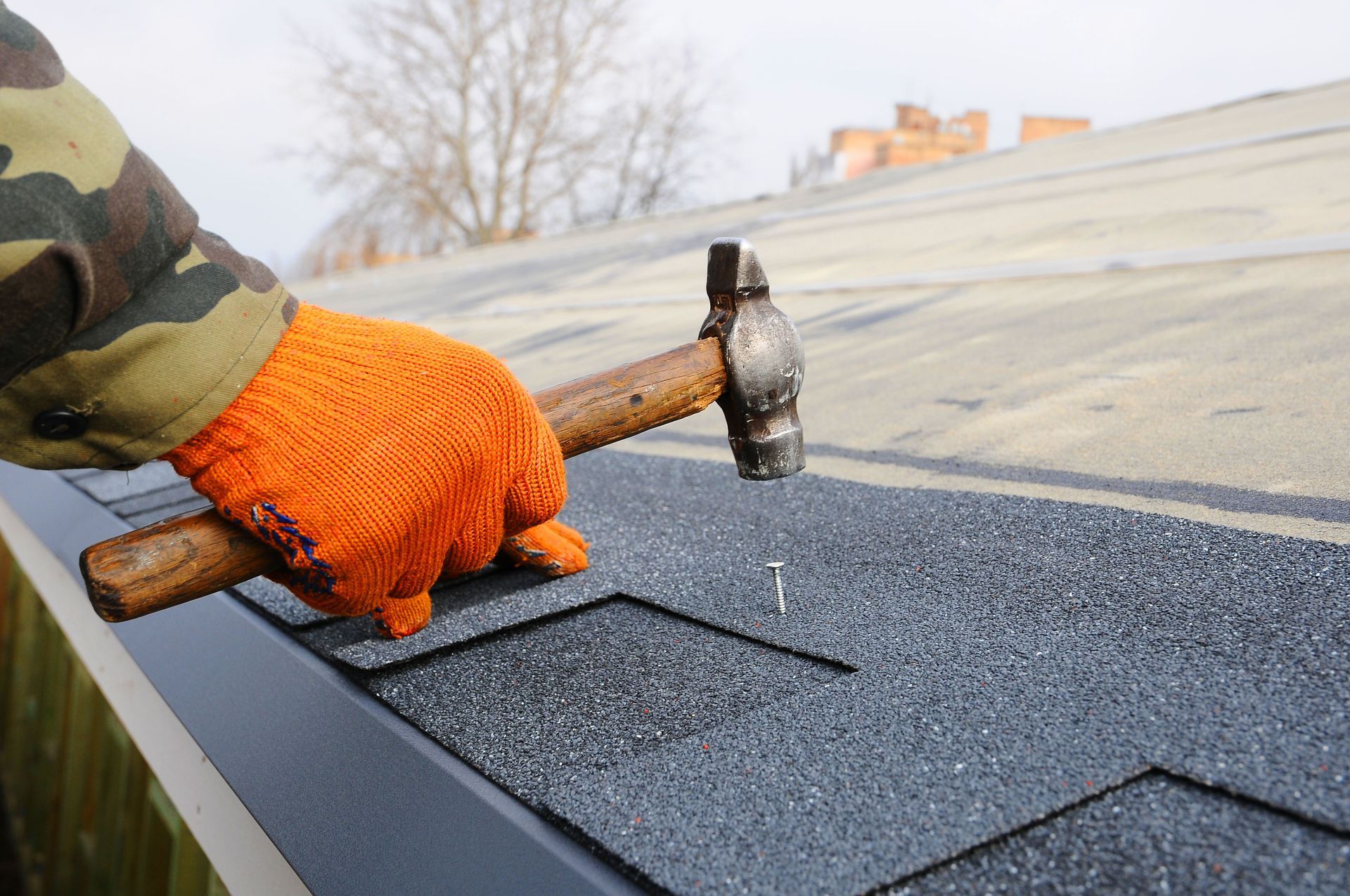
Before new materials are installed, the existing roofing system must be properly prepared. Preparation may involve removing old roofing materials, inspecting the exposed roof deck, and identifying sections that require repair or replacement. The surface must provide a suitable foundation for the new system so that materials can be installed according to the manufacturer's requirements. Careful preparation also gives the contractor an opportunity to identify issues that were not visible before removal.
The condition of the roof deck is especially important because it supports the roofing materials above it. Moisture damage, deterioration, or weakened areas may need to be addressed before installation continues. Underlayment and other protective layers can then be incorporated as part of the planned roofing assembly. This sequence helps create a more complete system rather than treating the visible roof covering as an isolated component.
Install Protective Roofing Components
A roofing system includes several components that work together to manage water and protect the structure. Underlayment, flashing, ventilation elements, and edge materials can all contribute to the performance of the finished roof. During roofing installation, these components must be positioned appropriately so they work with the primary roofing material and the home's design. Attention to these details can be particularly important around transitions, valleys, chimneys, vents, and other roof penetrations.
Flashing helps direct water away from vulnerable transition points where different surfaces meet. Properly installed protective components can reduce opportunities for moisture to reach areas beneath the roof covering. Ventilation components also contribute to airflow through the roof assembly and can be incorporated according to the property's design. Considering the complete system helps ensure that the project addresses more than the visible exterior surface.
Improve Roof Ventilation
Ventilation is another consideration when planning a new roof. A properly designed roof ventilation system can support airflow through the attic or roof assembly, depending on the home's configuration. During a roofing installation, professionals can evaluate existing ventilation components and determine whether they are appropriately integrated with the new roofing system. Addressing ventilation as part of the project can help create a more coordinated roof assembly.
Poorly considered ventilation can create conditions that affect roofing materials and the surrounding structure. For this reason, ventilation should be evaluated alongside insulation, attic configuration, roof design, and other relevant components. A professional can identify whether existing vents should remain, be replaced, or be supplemented as part of the project. Integrating these considerations into the installation plan supports a more comprehensive approach to the roof.
Coordinate Drainage and Flashing
Effective water management is essential for protecting a home's roof and exterior structure. Gutters, downspouts, valleys, flashing, and roof slopes work together to direct water away from vulnerable areas. During a roofing installation, professionals can evaluate how these components interact with the new roof and identify conditions that could interfere with drainage. Proper coordination helps the completed system manage rainfall as intended.
Roof penetrations and transitions deserve particular attention because they create areas where water must be directed around changes in the surface. Flashing details need to be integrated with the roofing materials rather than treated as an afterthought. Drainage components can also affect areas beyond the roof, including siding, fascia, and the foundation. Evaluating the entire water-management path can help protect multiple parts of the property.
Enhance Home Appearance
A new roof can change the visual character of a home as well as its protective capabilities. Roofing materials come in different colors, textures, profiles, and styles, giving homeowners opportunities to coordinate the roof with siding, trim, windows, and other exterior features. A professional can explain how different options may appear on a particular roof design and help organize the project around the home's existing architecture. This makes the roofing project part of the property's broader exterior design.
Appearance should be considered alongside practical requirements rather than separately from them. The selected material needs to work with the roof's structure, slope, drainage design, and other technical considerations. When those factors are evaluated together, homeowners can select an exterior finish that complements the property without overlooking the functional role of the roof.
Understand the Roofing Industry
According to IBISWorld, the U.S. roofing contractors industry is projected at a market size of $103.6 billion in 2026. This figure demonstrates the substantial scale of the roofing industry and the demand for services related to roof construction, replacement, repair, and maintenance. Roofing projects remain an important part of residential property improvement because the roof directly contributes to the building envelope and protection of interior spaces. The size of the industry also reflects the wide range of professional services available to property owners.
The broader roofing market includes multiple types of contractors and service needs, from new roof construction to replacement and repair work. IBISWorld identifies roof replacement, roof repair, and new roof construction among the industry's products and services. This range highlights why homeowners may encounter different approaches depending on the age, condition, and design of their property. A project focused on a complete new roof requires careful coordination of materials and installation details from the beginning.
Elite Worx provides professional roofing services for homeowners planning improvements to their properties. Our team can evaluate existing roof conditions, discuss appropriate materials, and coordinate the details involved in a complete roofing project. We focus on practical planning and careful attention to the components that contribute to a complete roofing system. Contact Elite Worx to discuss your roofing goals and learn how our
roofing installation services can help upgrade and protect your home.